Nano Brows v/s Microblading: What’s the Difference and Which One is Right for You?
PMU (Permanent Makeup) is a skilled art and is popular, especially among youth, to enhance their facial features or deal with an uninvited condition (sparse eyebrows due to any medical condition or medicinal side effects.
And, Microblading and Nano Brows are the popular ones among people of different age groups. But a lot of people confuse and mix up nano brows and microblading. Honestly, it is easy to see why; their result seem pretty similar. Both give you fuller-looking brows and use pigment. Plus, in the beauty tags, both sound kinda fancy too.
Here is the catch: they are not the same, not even close. And picking the wrong one could mean you walk out with results that do not feel right for your face, your skin, or your style. (And who wants that?)
This is not just another “brows 101” article. Nope—we are keeping it real and breaking down the actual difference between microblading and nano brows. No fluff. No jargon. Just the stuff you actually care about.
By the time you’re done reading, you’ll know which one’s made for you, without second-guessing it every time you pass a mirror.
What are Nano Brows? (The High Tech Touch)
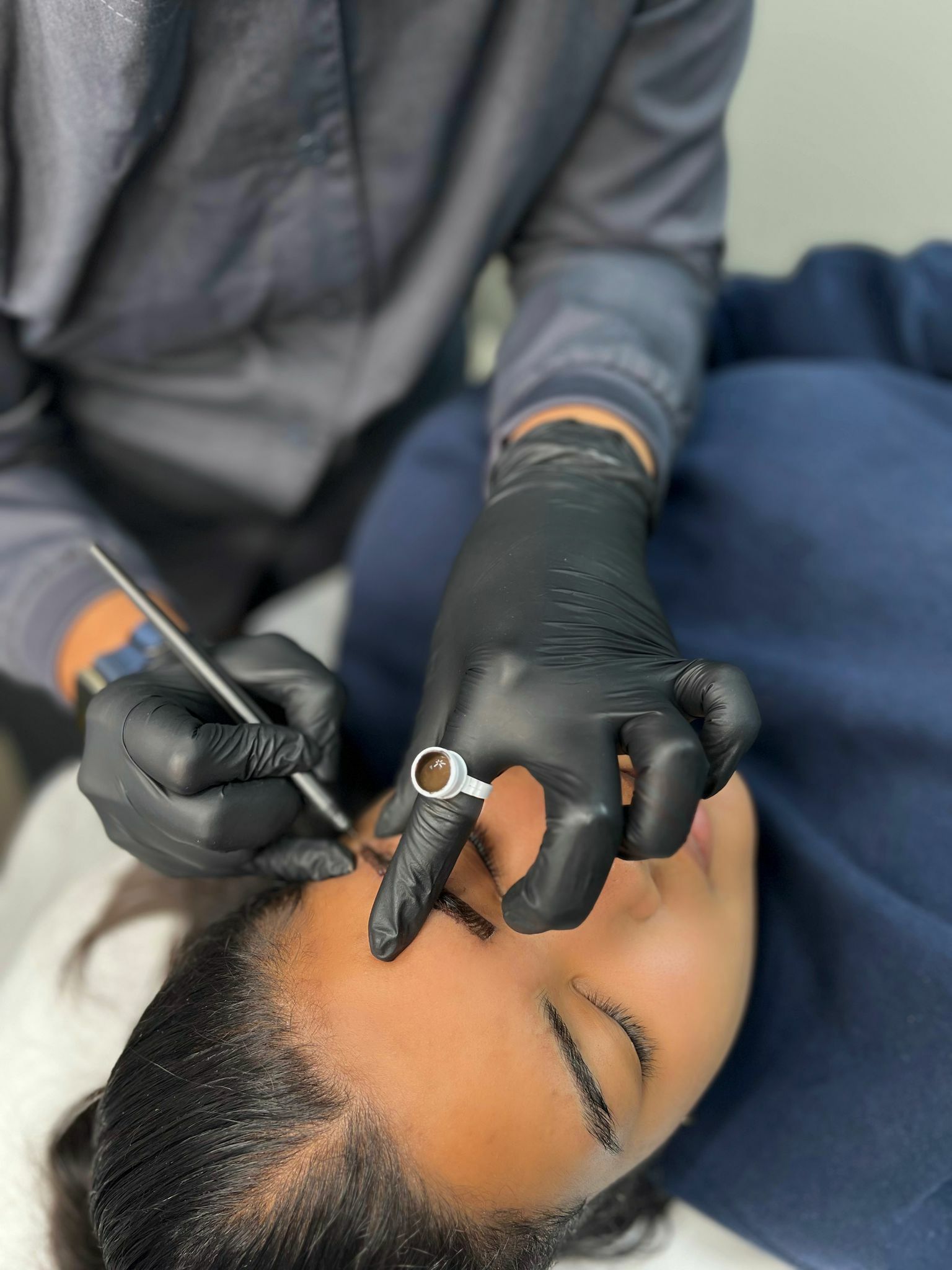
Nano brows kind of feel like the future of brows. They are sleek, they are super detailed, and they are done with a digital machine instead of a manual tool. Sounds fancy, but the real magic is in how natural they look.
Here is how it works, a machine uses tiny, super-fine needles (we are talking really fine) to draw hair like strokes into your skin. The goal is to draw brows that look like actual hair, not drawn-on lines. One can spot the real difference of nano brows before and after.
This technique is especially good for you if you have sensitive skin, really sparse brows, or just want something softer and more gentle-looking. It’s kind to your skin and creates a more blended finish.
The healing is usually quick and smooth, and you’ll enjoy your new brows for around 2 to 3 years before needing a touch-up. So yeah, nano brows are kind of the low-key beauty tech you didn’t know you needed.
What is Microblading? (The OG Brow Fix)
Microblading has been around for a while, and for good reason. It is the original brow treatment that gave people fuller brows without needing to draw them on every morning.
Here is how it works, a hand tool with tiny blades is used to make small cuts (no need to worry, they are super shallow), and pigment is added into those cuts to look like brow hairs. Sounds intense, but the results are super defined, bold, and clean.
It is the best for normal to dry skin types, people with oily skin not get the same long-lasting effect. And if you love strong, structured brows that really frame your face, microblading might be your right thing. The healing process takes a bit of patience, some flaking, some fading—but nothing too scary. You’ll likely need a touch-up after a year or so, and the results usually last 12 to 24 months. Old school? Yes. But microblading still holds up.
Nano Brows V/S Microblading – Break It All Down
Stuck between nano brows v/s microblading, confused what to choose? They both work, but in totally different ways, it is not a one size fits for all kind of answer. But how they do it, who they work best for, and how long they last? That’s where things really start to differ.
So instead of throwing around too many terms, here’s a side-by-side that breaks it all down in plain, simple words:
| Feature | Nano Brows | Microblading |
| Tool Used | Done using a digital machine that works kind of like a tattoo device—super precise and gentle. It uses tiny vibrating needles to implant pigment softly. | Done by hand with a small tool that looks like a pen with tiny blades. The artist makes little cuts in the skin and fills them with pigment manually. |
| Best for Skin Type | Works really well on oily, sensitive, or mature skin. The machine doesn’t drag or cut the skin, which makes it safer for those who’ve had irritation before. | Best for people with normal to dry skin. If your skin isn’t too oily, the strokes tend to hold up better and stay sharp for longer. |
| Longevity | Results usually last anywhere from 2 to 3 years, sometimes even longer. Fading happens slowly and evenly—less touch-ups needed. | Stays put for around 12 to 24 months. It can fade a bit faster, especially on oily skin. Most people come in for yearly touch-ups. |
| Precision & Look | Strokes are super thin and natural-looking—almost like real brow hairs. It gives a soft, airy finish that’s perfect for a subtle enhancement. | Strokes are a little thicker and more defined. It’s great if you want that bold, filled-in look that still mimics real brow hair. |
| Pain & Healing | The process feels more like buzzing than cutting. Most people say it’s very tolerable. Healing is smoother with less scabbing and redness. | You might feel more of a scratching or stinging sensation. Healing can take a bit longer—some scabbing and flaking is totally normal. |
| Risk of Scarring | Very low. Because the machine doesn’t go too deep and doesn’t make cuts, there’s less trauma to the skin—so scarring is rare. | Slight chance of scarring, especially if the artist goes too deep or the skin doesn’t heal well. Choosing a skilled artist helps avoid this. |
| Pigment Migration | Pigment stays put. Because it’s implanted in a controlled way with a machine, it’s less likely to blur or spread over time. | There’s a small chance of the pigment spreading or looking blurry as it fades—this usually happens on oilier skin or if strokes were placed too deep. |
So, Who Wins This Round?
Both are great and results good finish, but the choice depends on your skin, style, and how much maintenance you’re okay with.
Go for nano brows if:
- You’ve got oily, sensitive, or mature skin
- You want a soft, natural finish that lasts longer
- You prefer a gentler healing process
Go for microblading if:
- You love bold, defined brows
- Your skin is on the normal-to-dry side
- You’re okay with yearly touch-ups
Either way, you are one step closer to waking up with flawless brows.
Pros and Cons of Each Technique – Nano Brows & Microblading
Both microblading and nano brows can give you great results, but the each techniques has their own pros and cons. Each method comes with its own perks and trade-offs. So before booking your session, it helps to know what you are getting into.
Microblading – Pros
- More affordable than nano brows (great if you are on a budget).
- You get bold, fuller brows right away, no waiting around.
- Works well for people with dry or normal skin types.
Microblading – Cons
- Fades faster, usually between 12 to 24 months.
- Not the best pick for oily or sensitive skin (pigment might not hold well).
- Higher chance of scarring, especially if the cuts go too deep.
Nano Brows – Pros
- Super gentle on sensitive or mature skin—no cutting involved.
- Strokes are ultra-fine, which gives you a softer and more natural look.
- Results last longer—2 to 3 years without much fading.
Nano Brows – Cons
- Costs more than microblading (but lasts longer, too).
- Takes more time during the session, so be ready to sit a while.
- Fewer artists specialize in nano brows, so you might need to look around.
How to Pick What’s Right For You? (Because Brows Are Personal)
This decision is more than just a trend, it is about what fits your face and your life. So let’s keep it simple and personal.
Check Your Skin Type
If it is oily skin or sensitive skin, nano brows tend to go easier on it, less risk of pigment blurring or fading too fast. Microblading might hold up just fine with normal and dry skin. Don’t skip this step, your skin plays a big role in how well pigment heals.
Your Lifestyle Matters
Nano brows stay neater over time, especially with the people always on the move, sweating, outdoors, or working out. More of a beauty lover who does not mind touch-ups, microblading can give you those bold, filled-in brows you can glam up daily.
Pain and Budget – That Matter
Microblading can feel scratchy (it’s a blade, after all), whereas, nano brows feels more like vibration. Microblading is cheaper upfront than nano brows cost, but nano lasts longer. So weigh short-term vs long-term value.
Talk to Pro
Do not skip this process! A certified artist will look at your face, your skin, and your lifestyle, then guide you toward what actually fits. They have seen it all, and a quick chat could save you a lot of stress later.
Just a Reminder: What worked for your best friend, or your favorite TikTok beauty guru, might not work for you. Your brows – Your rules.
Final Thoughts – The Brow Decision Wrap Up
Nano brows use a machine and go softer, last longer, and are great for sensitive skin. Microblading is done by hand, looks bolder, and works best on dry to normal skin. Both are awesome, but in different ways.
They should feel right for you, not just trends are everything. This is not about copying someone else’s face, it’s about finding what fits yours. And you don’t have to figure it out alone. At Lash Boutique, we take the time to get to know you, your skin, and your brow goals—so you walk out feeling confident, not confused.
Whatever you choose machine or manual/microblading or nano brows, great brows are totally possible. You just need the right artist and the right plan.